At Wolf & Badger, we champion independent designers, makers and brands who create original products.
One of the things that makes our marketplace unique is that customers come to us expecting to discover products they can't find everywhere else. Protecting the originality of the products we sell is therefore fundamental to our marketplace and our brand values.
For this reason, every product sold on Wolf & Badger must be original to your brand and you must have the appropriate rights to manufacture, market and sell it.
What do we mean by "original"?
A product is considered original where your brand has created, developed or owns the design.
This may include products that you:
- Designed entirely in-house.
- Developed with a manufacturer using your own specifications, drawings or technical packs.
- Commissioned exclusively from a manufacturer based on your own original design.
- Have exclusive intellectual property rights or licences to produce and sell.
All works sold or displayed on the platform and in stores must be based on original designs, images, text and trademarks that are either owned by your brand or used under valid rights and permissions. This is stated in our CSR Policy, which all brands agree to upon joining the platform.
Using a third-party manufacturer does not automatically mean a product is not original. Many independent brands manufacture through external factories. What matters is that the design belongs to your brand, rather than being selected from a supplier's existing catalogue.
What does this mean in practice?
We do not permit products that are:
-
Wholesale products
Finished products purchased from a supplier's catalogue for resale with little or no modification. -
White-label products
Products manufactured by one company and sold to multiple businesses who simply add their own branding or logo. -
Private-label products
Products developed by a manufacturer for your brand where your involvement is limited to branding, packaging or minor cosmetic changes, rather than creating the underlying product design. -
Off-the-shelf products
Pre-existing products that are readily available for multiple businesses to purchase and sell under different brand names, with little or no original design input.
Examples include:
-
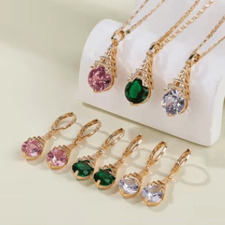
Purchasing jewellery directly from a wholesale marketplace and adding your own branding.
-
Purchasing jewellery directly from a wholesale marketplace and adding your own branding.
-
Selecting garments from a supplier catalogue and relabelling them.
-
Selling products that are widely available under multiple brand names with identical designs, imagery or specifications.
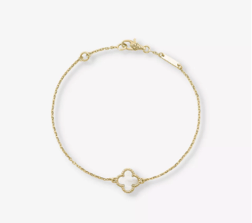
Additionally, we do not permit products that imitate or closely resemble another brand's protected or recognisable designs, such as designs from Van Cleef & Arpels' Alhambra collection.
Brands may only sell products that they have designed themselves or have the legal rights to sell. Reselling products created by other brands or listing third-party branded products within your Wolf & Badger account is not permitted.
In short, every product listed on Wolf & Badger should be an original design that belongs to your brand.
Example of wholesale jewellery:
Example of Van Cleef’s copyrighted Alhambra collection:
What are the requirements for images?
All product images, including photographs, illustrations, graphics and icons, must either be created by you or used under a valid commercial licence (for example, from a reputable stock image provider).
You must not use images created by another person or business without their permission. This includes images copied from:
-
Google search results
-
Other retailers' websites
-
Social media platforms such as Instagram, Pinterest or Facebook
-
Marketplaces or supplier catalogues
Unless you hold a valid licence or have the creator's explicit permission, these images cannot be used on Wolf & Badger.
The best way to showcase your products is through original photography created specifically for your brand.
What do I need to know about copyright?
Copyright protects original works of authorship, some examples include:
- Written text
- Lyrics
- Artwork
- Photography/ Imagery (eg. using stock imagery/ not owning usage rights)
- Brand names (eg. Chanel, Dior)
Using copyrighted material without permission may infringe the rights of the copyright owner, even if it was done unintentionally.
You should never assume that content found online is free to use. Before using any third-party content, you must ensure you have the appropriate licence or written permission and retain records of any licensing agreements.
If you are unsure whether you have the rights to use something, do not use it.
Can I use song lyrics in my designs?
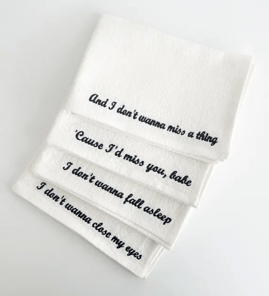
No. Song lyrics, including short phrases, are generally protected by copyright and cannot be reproduced without permission from the copyright owner.
This applies even if you credit the artist or only use part of the lyric.
It also applies if you make minor changes to the wording.
Instead, create your own original phrases inspired by a theme or feeling, rather than reproducing existing lyrics.
Example of the use of lyrics that require a licence:
Can I use trademarked terms?
No, unless you have permission from the trademark owner.
Trade marks protect brand identifiers such as:
- Brand names (for example, Chanel or Apple)
- Collection names (for example, Alhambra or Twilly)
- Artist, musician or celebrity names
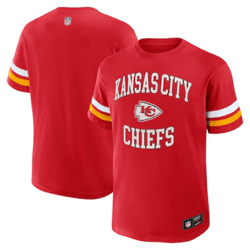
- Sports teams and organisations
- Company logos
- Product names and slogans
You must not use trademarked names or logos in your:
- Product titles
- Product descriptions
- Product imagery
- Marketing materials
- Packaging
This applies even if the spelling, font or styling has been altered where it could still create an association with the original brand.
Before launching new products or branding, we recommend checking the relevant trade mark register in the countries where you intend to sell.
Example of the use of a trademarked name and logo that would require a licence:
What am I responsible for as a brand partner?
As a Wolf & Badger Brand Partner, you are responsible for ensuring that everything you publish and sell on the platform complies with applicable intellectual property laws.
This includes:
- Product designs
- Product names
- Product descriptions
- Photography and imagery
- Logos and branding
- Marketing materials
- Packaging
- Any third-party assets used within your products or listings
It is your responsibility to ensure that you have the necessary rights to use all content and that anyone working on your behalf, including designers, photographers and manufacturers, understands these requirements.
What happens if there is a suspected infringement?
If we reasonably believe that a product or piece of content may infringe another person's intellectual property rights, we may temporarily deactivate the product or content while we investigate.
During our review, we may request evidence demonstrating that you own the design or have permission to use the relevant content.
Depending on the nature of the concern, we may request evidence such as:
For product designs
-
Initial concept sketches (digital or hand-drawn)
-
Dated design files
-
CAD drawings or technical drawings
-
Tech packs and product specifications
-
Prototype or sample photographs
-
Development photographs showing the design process
-
Manufacturer confirmation that the product was produced exclusively for your brand
For imagery or creative assets
-
Original image files
-
Photography shoot files
-
Commercial licensing agreements
-
Written permission from the copyright owner
-
Contracts with photographers, designers or illustrators
For trademarks or licensed content
-
Licensing agreements
-
Authorisation from the rights holder
-
Evidence that you own the relevant intellectual property
The evidence requested will depend on the specific concern being investigated.
If we are satisfied that no infringement has occurred, the product or content will be reinstated.
If we cannot verify your rights, or determine that an infringement has occurred, we may:
-
Permanently remove the affected products or content.
-
Reject future product submissions.
-
Suspend your account while further investigations take place.
-
Terminate your Brand Partnership where serious or repeated breaches are identified.
Wolf & Badger reserves the right to take these actions to protect our customers, our brand partners and the integrity of our marketplace.
Need help?
If you're unsure whether a product, image, name or design complies with our originality requirements, please contact the Brand Support team before listing it on Wolf & Badger.
Click Contact Us on your dashboard to reach out.
We're always happy to provide guidance before a product goes live.
Together, we can protect independent creativity and maintain a marketplace built on originality, authenticity and trust.